Are you curious about how technology can help you stay healthier? Imagine a quick health check that uses smart tools to spot risks before they become serious problems.
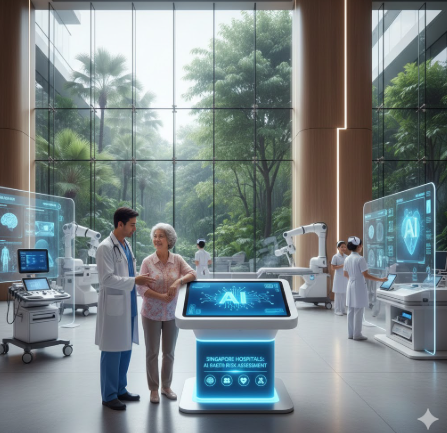
Singapore hospitals are now offering AI-based health risk assessments designed just for you. These advanced tests can give you clear insights into your health, helping you make better choices and catch issues early. Keep reading to discover which hospitals provide these cutting-edge services and how they can benefit your well-being.
Ai In Singapore Healthcare
Artificial intelligence (AI) is changing healthcare in Singapore. Hospitals now use AI tools to check health risks quickly and accurately. This helps doctors provide better care for patients. AI systems analyze data to spot health problems early. This saves time and can improve treatment results.
Growth Of Ai Technologies
Singapore invests heavily in AI for healthcare. Many hospitals use AI to study medical records and test results. AI helps predict diseases before symptoms appear. The technology keeps improving with more data and better software. Research centers and hospitals work together to develop new AI tools. This growth supports faster and smarter medical decisions.
Benefits For Patient Care
AI helps doctors find health risks early. Patients get personalized advice based on their data. AI can suggest the best treatments and monitor progress. It reduces human errors in diagnosis and care plans. Patients experience faster check-ups and less waiting time. Overall, AI makes healthcare safer and more effective in Singapore hospitals.
Leading Hospitals Using Ai
Many hospitals in Singapore use AI to assess health risks. This technology helps doctors predict diseases early. It also improves patient care and saves time. Both public and private hospitals lead in AI adoption. They use smart systems to analyze health data quickly. These hospitals show how AI can support better health outcomes.
Public Hospital Initiatives
Public hospitals in Singapore use AI to screen patients efficiently. They integrate AI tools with electronic health records. This allows faster detection of heart disease and diabetes risks. AI helps doctors focus on patients needing urgent care. Some hospitals use AI chatbots to guide patients through symptoms. This reduces waiting time and improves service quality. Public hospitals aim to offer affordable AI-based health checks.
Private Hospital Innovations
Private hospitals invest in advanced AI systems for precise risk assessment. They use machine learning to study patient history and test results. AI predicts potential health issues like cancer and stroke early. Private hospitals provide personalized health plans using AI insights. They often combine AI with wearable health devices for real-time monitoring. These hospitals focus on comfort and tailored care. AI helps them deliver faster diagnosis and treatment decisions.
Ai-based Health Risk Tools
AI-based health risk tools help hospitals predict health issues early. These tools analyze data to find risks before symptoms appear. This early detection supports better care and prevention strategies. Singapore hospitals use these tools to improve patient outcomes.
Types Of Risk Assessments
Hospitals use different AI risk assessments. Some focus on chronic diseases like diabetes and heart problems. Others assess risks for cancer or mental health conditions. Each tool targets specific health concerns to guide treatments.
Risk assessments may include lifestyle, genetic, and clinical data. Some tools predict the chance of illness within months or years. This helps doctors advise patients on healthy changes.
Data Sources And Accuracy
AI tools use multiple data sources for better accuracy. These include medical records, lab results, and patient surveys. Some also use wearable device data like heart rate and activity.
The quality of data affects the tool’s predictions. Hospitals ensure data is current and complete. This focus improves the reliability of risk assessments.
Patient Experience And Outcomes
Singapore hospitals using AI-based health risk assessment improve patient experience and outcomes. These tools help doctors understand health risks clearly. Patients get care that fits their needs better. The process feels smoother and more personal. Health results often improve with timely actions.
Personalized Care Plans
AI helps create care plans unique to each patient. It studies medical history and current health data. Doctors use this to suggest treatments that suit the individual. Patients receive advice that matches their lifestyle and risks. This focused care leads to better recovery and health. It also reduces unnecessary tests and treatments.
Early Detection And Prevention
AI spots health risks early by analyzing patterns in data. It alerts doctors before problems become serious. Patients benefit from quick action and fewer complications. Preventive steps can stop diseases from growing worse. This approach saves time and medical costs. Patients feel safer knowing risks are monitored closely.
Challenges And Ethical Concerns
AI-based health risk assessment in Singapore hospitals offers many benefits. Yet, it also brings challenges and ethical concerns. These issues need careful attention for safe and fair use. Understanding these challenges helps build trust in AI health tools.
Data Privacy Issues
Health data is very sensitive. AI systems require large amounts of data to work well. Protecting this data from breaches is critical. Patients must trust hospitals to keep their information safe. Strict rules and strong security measures are needed. Without privacy, patients may avoid using AI services.
Algorithm Bias And Transparency
AI algorithms can show bias if trained on limited data. This may cause unfair health assessments for some groups. Transparency in how AI makes decisions is important. Patients and doctors should understand AI results clearly. Hospitals must ensure AI treats all patients fairly. Open and clear AI processes build trust and fairness.
Future Trends In Ai Health Assessment
The future of AI health assessment in Singapore hospitals is bright. Technology keeps improving. This progress helps doctors predict health risks more accurately and faster. AI tools are becoming more common in hospitals. They help provide better patient care and reduce human errors.
New trends are shaping how AI will work with health data. These trends focus on making health checks easier and more precise. They also aim to cover more health areas. AI will not only predict diseases but also suggest better treatments.
Integration With Wearable Devices
Wearable devices collect health data continuously. They track heart rate, sleep, and physical activity. AI uses this data to assess health risks in real time. This helps doctors monitor patients outside the hospital. Early signs of illness can be detected faster. Patients can receive alerts to see a doctor sooner. This trend improves preventive care and reduces emergency visits.
Expansion To Other Medical Fields
AI health assessment will grow beyond common checks. It will support fields like mental health and cancer care. AI can analyze complex data from scans and tests. This helps doctors find diseases earlier and plan treatments. AI tools will assist surgeons during operations. They provide real-time information for better decisions. This expansion will improve care across many health areas.
Frequently Asked Questions
What Is Ai-based Health Risk Assessment?
AI-based health risk assessment uses artificial intelligence to analyze health data. It predicts potential health risks quickly. This helps hospitals personalize patient care and improve early diagnosis. AI enhances accuracy and efficiency in health evaluations.
Which Singapore Hospitals Offer Ai Health Risk Assessments?
Major hospitals like Tan Tock Seng, Singapore General, and National University Hospital offer AI health risk assessments. These hospitals use advanced AI tools to evaluate patient health risks. They aim to provide faster and more precise health insights.
How Does Ai Improve Health Risk Prediction?
AI processes large health datasets to identify patterns humans might miss. It enhances prediction accuracy and detects risks early. This leads to better preventive care and timely medical intervention, reducing complications and improving patient outcomes.
Is Ai Health Risk Assessment Safe And Reliable?
Yes, AI health risk assessments are safe and reliable. Hospitals use validated algorithms and maintain strict data privacy. AI complements doctors’ expertise, enhancing decision-making without replacing human judgment.
Conclusion
Singapore hospitals now use AI to assess health risks quickly. This helps doctors spot problems early and offer better care. Patients get clearer insights into their health conditions. Technology supports faster and more accurate decision-making. Choosing a hospital with AI tools means smarter health management.
Staying informed about these services benefits your well-being. AI-based assessments are becoming a key part of modern healthcare. Trust the process and take steps toward healthier living today.