Are you considering medical treatment in Singapore but unsure how the healthcare system works for foreign nationals? You’re not alone.
Navigating a new country’s medical care can feel overwhelming, especially when your health is on the line. This article will help you understand what Singapore’s medical care industry offers to people like you—whether you’re here for a short visit or planning a longer stay.
Discover how you can access quality care, what costs to expect, and why Singapore is becoming a top choice for international patients. Keep reading to find out how to make the most of Singapore’s healthcare services with ease and confidence.
Healthcare System In Singapore
Singapore’s healthcare system is known worldwide for its efficiency and high standards. It offers excellent medical services to both citizens and foreign nationals. The system combines public and private healthcare options to meet diverse needs. Foreigners find Singapore’s healthcare reliable and accessible.
Public Vs Private Facilities
Singapore has many public hospitals and clinics. These facilities offer affordable medical care. They are funded by the government and focus on basic health services. Private hospitals provide specialized treatments and shorter waiting times. Many foreign nationals prefer private facilities for faster service. Both public and private sectors maintain good standards.
Quality And Standards
The quality of healthcare in Singapore is very high. Hospitals use modern technology and skilled doctors. Patient safety and care quality are top priorities. Singapore’s hospitals often rank among the best in Asia. Foreign patients receive the same quality care as locals. Continuous training ensures staff stay updated on medical advances.
Regulatory Framework
The healthcare system follows strict rules and regulations. The Ministry of Health oversees all medical services. It ensures hospitals meet safety and quality standards. Licensing and regular inspections keep facilities accountable. This framework protects patients and maintains trust. Foreign nationals can feel safe using Singapore’s medical services.
Access For Foreign Nationals
Singapore offers high-quality medical care that attracts many foreign nationals. Access to healthcare is well-structured and clear. Foreigners can find medical services that meet international standards. Understanding eligibility, insurance, and costs helps foreign nationals navigate the system easily.
Eligibility And Registration
Foreign nationals can access public and private healthcare services. Registration is usually required at hospitals or clinics. Some services need a valid visa or work permit. Visitors may need to show passports and identification documents. Certain treatments might require referrals from doctors. Emergency care is available to all, regardless of status.
Insurance Requirements
Health insurance is important for foreign nationals in Singapore. Many employers provide medical insurance for work pass holders. Visitors and tourists should consider travel or international health insurance. Insurance helps cover costs for treatments and hospital stays. Without insurance, medical bills can be expensive. Check policy details to ensure coverage in Singapore.
Cost Of Medical Services
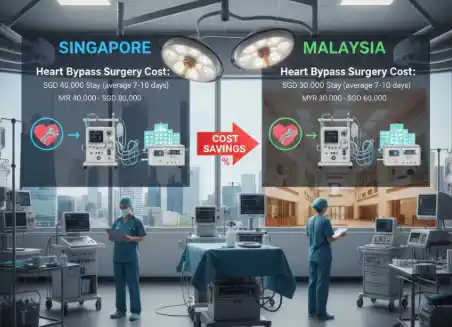
Medical costs in Singapore vary by facility and treatment. Public hospitals usually charge lower fees than private ones. Foreigners often pay higher rates than locals. Simple consultations cost less; surgeries and specialized care cost more. Insurance can reduce out-of-pocket expenses. Plan your budget to handle unexpected medical needs.
Specialized Medical Services
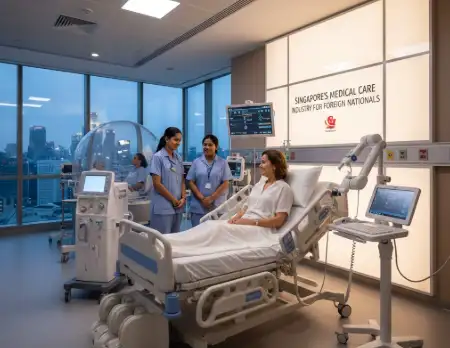
Singapore offers specialized medical services that attract many foreign nationals. The city-state is known for its advanced healthcare system and skilled medical professionals. Patients can access a wide range of treatments and care options tailored to their needs. Facilities use modern technology and follow strict safety standards. Foreign patients receive personalized care to ensure comfort and trust throughout their treatment journey.
Advanced Treatments Available
Hospitals in Singapore provide cutting-edge treatments for various diseases. Cancer therapies, heart surgeries, and organ transplants are common. The country also excels in minimally invasive procedures. These treatments reduce pain and speed up recovery. Experts continuously update their knowledge to offer the best care. Foreign patients benefit from these advanced medical options.
Medical Tourism Opportunities
Singapore is a popular destination for medical tourism. Foreigners combine treatment with travel to explore the city. The country offers attractive packages including consultations, procedures, and accommodation. Patients find it easy to plan their stay with many medical tourism agencies. Quality care and a safe environment add to Singapore’s appeal. Many visitors return for follow-up care or other treatments.
Rehabilitation And Follow-up Care
Rehabilitation services support patients after surgery or illness. Singapore has specialized centers for physical, occupational, and speech therapy. These programs help patients regain strength and independence. Follow-up care ensures treatment success and monitors recovery progress. Foreign nationals receive clear instructions and support for home care. Communication with doctors remains smooth through telemedicine options.
Cultural And Language Considerations
Singapore’s medical care industry serves many foreign nationals from diverse cultures. Understanding cultural and language differences is key to providing good healthcare. Respect for customs and clear communication improve the care experience. Medical staff work hard to bridge gaps and make patients feel comfortable and safe.
Multilingual Support
Hospitals in Singapore offer services in several languages. English is the main language, but many staff speak Mandarin, Malay, Tamil, and other languages. Interpreter services are available for patients who need them. This support helps explain medical terms and treatment plans clearly. It reduces confusion and stress for foreign patients.
Patient Experience And Satisfaction
Respecting cultural beliefs affects patient comfort and trust. Medical teams listen carefully to patient needs and preferences. They adapt care to honor traditions and customs. Clear communication helps patients understand their health and treatment. This approach leads to higher satisfaction and better health outcomes.
Challenges For Foreign Patients
Singapore’s medical care industry attracts many foreign patients every year. It offers excellent healthcare services and advanced treatments. Despite this, foreign patients face several challenges. These challenges can affect their experience and outcomes. Understanding these difficulties helps patients prepare better for their medical journey.
Navigating The Healthcare System
Singapore’s healthcare system is known for high standards. Still, it can be complex for foreigners. Hospitals and clinics use local terms and procedures. This may confuse those unfamiliar with the system. Making appointments, understanding medical reports, and following treatment plans can be hard. Language barriers add to these difficulties. Patients often need extra help to communicate with doctors and nurses. Finding reliable interpreters or guides is not always easy.
Financial And Legal Concerns
Healthcare costs in Singapore can be high for foreign patients. Insurance may not cover all expenses. Some treatments require upfront payment. This can strain patients’ budgets. Legal rules about medical care differ from other countries. Patients must understand their rights and responsibilities. Issues like medical malpractice or patient consent can be complicated. It is crucial to be aware of these factors before seeking treatment in Singapore.
Future Trends And Innovations
Singapore’s medical care industry is evolving rapidly. New trends and innovations shape the future for foreign nationals. These changes aim to improve access, quality, and convenience of healthcare services. Technology and policy reforms play key roles in this transformation.
Digital Health Initiatives
Digital health tools are becoming common in Singapore. Hospitals and clinics use electronic health records to share patient data safely. Mobile apps help patients manage appointments and medications easily. Health tracking devices support early diagnosis and continuous care. These initiatives make healthcare more efficient and patient-friendly.
Telemedicine Growth
Telemedicine services have grown significantly. Patients can consult doctors remotely using video calls. This reduces travel time and waiting periods. Foreign nationals benefit from easier access to specialists. Telemedicine also supports follow-up care and chronic disease management. The trend is expected to expand further in coming years.
Policy Developments
Singapore updates healthcare policies regularly to support innovation. Regulations now encourage the use of digital health solutions. Policies ensure patient safety and data privacy are protected. The government promotes affordable healthcare for all residents, including foreigners. These developments create a stable environment for healthcare growth.
Frequently Asked Questions
What Medical Services Are Available For Foreign Nationals In Singapore?
Singapore offers comprehensive medical services to foreign nationals, including specialist consultations, surgeries, and emergency care. Public and private hospitals provide high-quality treatment with internationally trained doctors. Many facilities also offer multilingual support and health screening packages tailored for expatriates and travelers.
How Affordable Is Medical Care In Singapore For Foreigners?
Medical care in Singapore is generally affordable compared to Western countries, but costs vary between public and private hospitals. Public hospitals offer subsidized rates for foreigners, while private hospitals charge higher fees. Health insurance can help manage expenses, and many foreigners opt for international health plans.
Can Foreign Nationals Access Emergency Medical Care Easily?
Yes, foreign nationals can access emergency medical care at any Singapore hospital 24/7. Emergency departments are well-equipped and staffed by experienced professionals. Immediate treatment is provided regardless of nationality, with hospitals offering translation services to assist non-English speakers.
Do Foreign Nationals Need Health Insurance For Medical Treatment?
Health insurance is highly recommended for foreign nationals in Singapore to cover medical costs. While not mandatory, insurance helps manage expenses for routine and emergency care. Many employers provide health coverage, but individuals should consider private plans for comprehensive protection.
Conclusion
Singapore offers excellent medical care for foreign nationals. The hospitals use modern technology and skilled doctors. Services are easy to access and affordable. Many speak English, which helps communication. Health facilities meet international standards. Foreign patients feel safe and cared for.
This makes Singapore a top choice for health needs. Trust in its system grows every year. Good health care abroad is possible here. A smart option for those seeking quality treatment.