Imagine having your health monitored continuously without stepping foot in a hospital. What if your doctor could access real-time data from your smartwatch or fitness tracker to spot issues before they become serious?
Singapore hospitals are now making this a reality by integrating wearable health data into patient care. This shift could change how you manage your health, making it more personalized and proactive. Curious about how this technology affects you and what it means for the future of healthcare?
Keep reading to discover how your wearable device might soon be a vital part of your medical care.
Wearable Health Tech In Singapore
Wearable health technology is becoming common in Singapore. Hospitals now use data from smart devices to improve patient care. These devices track health signs and send real-time information to doctors. This helps in early detection and better treatment plans.
Patients enjoy more control over their health with wearables. The technology supports ongoing monitoring without hospital visits. It also makes health data easy to share with medical teams.
Popular Devices And Features
Smartwatches and fitness bands are the most popular devices. They measure heart rate, sleep quality, and physical activity. Some devices track blood oxygen levels and stress indicators. Advanced wearables monitor ECG and blood pressure too. These features help users understand their health daily.
Most devices sync with mobile apps. The apps store data and show trends over time. Users can set reminders for medicine and exercise. Alerts notify users and doctors about unusual health signs.
Adoption Trends Among Patients
More patients in Singapore trust wearable tech for health tracking. Young adults and middle-aged groups lead in adoption. Elderly users are starting to use simple devices too. Hospitals encourage patients with chronic diseases to use wearables.
Patients appreciate the ease of continuous health monitoring. They feel safer knowing doctors can access data anytime. Some patients join programs that combine wearables with telehealth. This trend shows a shift toward proactive health management.
Hospitals Embracing Wearable Data
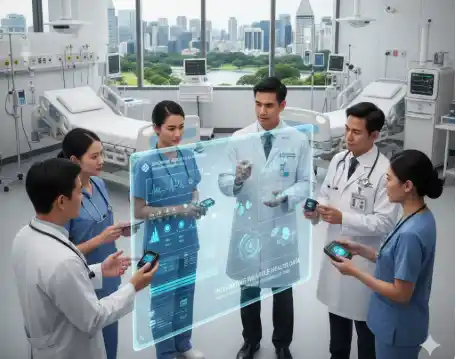
Hospitals in Singapore are starting to use data from wearable devices. This data helps doctors monitor patients outside the hospital. It provides real-time health information that supports faster care decisions.
Using wearable data also helps hospitals track chronic conditions better. Patients can share daily health stats like heart rate and activity levels. This creates a clearer picture of their health over time.
Key Institutions Leading Integration
Some hospitals in Singapore lead in using wearable data. National University Hospital (NUH) uses wearables for patient monitoring. Tan Tock Seng Hospital (TTSH) tests wearable tech for heart and diabetes care. Changi General Hospital also explores wearable data for remote patient support.
These hospitals work closely with technology firms. They focus on combining wearable data with patient records. This helps improve treatment plans and follow-up care.
Systems And Platforms Used
Hospitals use special systems to gather wearable data. Some use cloud-based platforms that store and analyze health information. These platforms connect wearable devices with hospital databases securely.
Data from wearables is integrated into electronic health records (EHR). This allows doctors to view patient data easily during visits. Artificial intelligence (AI) tools help detect health changes early using this data.
Benefits For Patient Care
Integrating wearable health data into Singapore hospitals greatly improves patient care. It helps doctors and nurses watch patients more closely. This leads to faster and better decisions. Patients get care that fits their specific needs. The use of wearable devices makes health monitoring easier and more accurate.
Real-time Monitoring Advantages
Wearable devices send health data instantly to hospitals. Doctors can see changes in heart rate, blood pressure, and activity level right away. This quick access lets medical staff act fast during emergencies. It reduces the need for frequent hospital visits. Patients can stay at home while still being monitored closely. This saves time and cuts healthcare costs. Early signs of illness or complications get noticed sooner.
Personalized Treatment Plans
Wearable health data gives detailed information about each patient’s daily habits. Doctors use this information to create treatment plans tailored to the individual. Patients receive care that matches their lifestyle and health condition. This approach improves recovery rates and patient satisfaction. It also helps prevent future health problems by adjusting care continuously. Personalized plans make treatment more effective and efficient.
Challenges In Data Integration
Integrating wearable health data into hospital systems in Singapore brings many challenges. These challenges affect how hospitals use and protect patient information. Hospitals must address these issues to provide safe and effective care.
Privacy And Security Concerns
Protecting patient privacy is a top priority. Wearable devices collect sensitive health data. This data can be at risk during transfer and storage. Hospitals must secure data to prevent breaches.
Strong encryption and strict access controls help protect information. Patients need to trust that their data is safe. Clear policies on data use and sharing are essential. Hospitals must comply with Singapore’s health data laws.
Technical And Infrastructure Issues
Wearable devices use different technologies and formats. This variety creates problems in data integration. Hospitals need systems that can read and process all data types.
Many hospitals still use older IT systems. These systems may not support new wearable data. Upgrading infrastructure requires time and money. Staff training is also necessary for smooth operation.
Future Of Wearable Health In Care
Wearable health devices are shaping the future of healthcare in Singapore. Hospitals are starting to use data from these devices to improve patient care. This new approach helps doctors monitor patients more closely and provide better treatment. The future will bring more advanced tools and smarter systems to make healthcare more efficient and personal.
Emerging Technologies
New wearable devices track more health signs every day. Sensors now measure heart rate, sleep patterns, and blood oxygen levels. Some devices detect stress and blood sugar too. Artificial intelligence helps analyze this data quickly. It finds patterns that doctors might miss. Cloud computing stores data safely and makes it easy to share. These technologies work together to create a clearer health picture.
Potential Impact On Healthcare Delivery
Wearable health data lets doctors catch problems early. Patients can avoid hospital visits by managing health at home. This reduces healthcare costs and saves time. Hospitals can offer personalized care plans based on real data. Remote monitoring supports patients with chronic diseases. Faster response to health issues improves patient outcomes. Overall, healthcare becomes more patient-centered and accessible.
Frequently Asked Questions
What Wearable Health Data Do Singapore Hospitals Collect?
Singapore hospitals collect data like heart rate, activity levels, sleep patterns, and blood oxygen levels from wearables. This data helps doctors monitor patients remotely and personalize treatments effectively.
How Does Wearable Data Improve Patient Care In Singapore?
Wearable data provides real-time health insights, enabling early detection of issues. It supports continuous monitoring, reducing hospital visits and enhancing personalized treatment plans.
Are Singapore Hospitals Integrating Wearable Data With Electronic Health Records?
Yes, many Singapore hospitals are integrating wearable data into electronic health records. This integration ensures seamless access to patient health trends for better diagnosis and care management.
What Challenges Do Hospitals Face With Wearable Health Data Integration?
Challenges include data privacy concerns, device compatibility, and ensuring data accuracy. Hospitals must address these to use wearable data effectively for patient care.
Conclusion
Singapore hospitals now use wearable health data to improve care. This helps doctors see real-time patient information easily. Patients feel more involved in managing their health daily. Data from devices supports quicker and better treatment decisions. The approach promotes a healthier, more connected community.
Technology and healthcare working side by side. This trend will likely grow and benefit many people soon. A smart step towards better health for all.