Imagine if your hospital could always have the right number of staff exactly when needed—no more long waits, no more overworked nurses, and better care for every patient. That’s what AI-based predictive staffing is doing in Singapore hospitals right now.
If you work in healthcare or manage hospital operations, understanding this powerful tool can change the way you plan your teams and improve patient outcomes. Keep reading to discover how this smart technology can make your hospital run smoother and your staff work happier.
Ai In Healthcare Staffing
AI in healthcare staffing is changing how hospitals manage their workforce. It helps predict the right number of staff needed at different times. This technology makes scheduling easier and reduces staff shortages. It improves patient care by ensuring enough healthcare workers are available.
Current Staffing Challenges
Hospitals in Singapore face many staffing problems. Sudden changes in patient numbers can cause staff shortages. Overworked staff can feel tired and stressed. Scheduling shifts manually takes a lot of time. Mistakes in planning can lead to understaffing or too many workers.
Role Of Ai Technologies
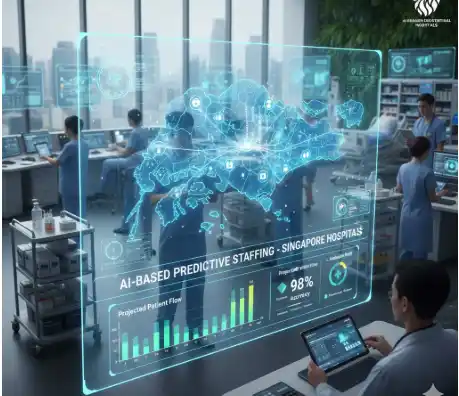
AI uses data to predict staffing needs accurately. It analyzes patient flow, staff availability, and past trends. AI tools create smart schedules that match hospital demands. They help reduce overtime and improve staff satisfaction. AI also adapts quickly to sudden changes in patient numbers.
Predictive Staffing Models
Predictive staffing models help hospitals plan their workforce needs better. They use data and technology to predict how many staff members are needed at any time. This helps reduce understaffing and overstaffing, improving patient care and staff satisfaction.
Data Sources And Integration
Hospitals collect data from many places. Patient admission rates, staff schedules, and treatment types are common sources. This data must be combined into one system. Integration allows the model to see all information clearly. It helps the model make accurate predictions about staffing needs.
Machine Learning Algorithms
Machine learning algorithms analyze the data to find patterns. They learn from past staffing and patient trends. These algorithms predict future staff demand based on real data. The models improve over time with more data. This helps hospitals prepare for busy or slow periods efficiently.
Benefits For Singapore Hospitals
AI-based predictive staffing offers many benefits for hospitals in Singapore. It helps hospitals plan staff schedules more accurately. This leads to better care for patients and smoother hospital operations.
Hospitals can use AI to match staffing needs with patient demand. This avoids both understaffing and overstaffing. Staff work more efficiently and patients get the attention they need.
Improved Patient Care
AI predicts patient numbers and care needs precisely. Hospitals can assign the right number of nurses and doctors. This means patients wait less and receive faster treatment. Staff feel less stressed and focus better on patient care.
Optimized Resource Allocation
Hospitals use AI to allocate staff and equipment wisely. It prevents waste and ensures all resources are ready. This helps departments run smoothly and handle busy times well. Staff skills are used where they are most needed.
Reduced Operational Costs
AI reduces costs by avoiding extra staff hours and overtime. It lowers errors caused by staff shortages or fatigue. Hospitals save money on temporary workers and overtime pay. These savings can improve hospital services and facilities.
Implementation Strategies
Implementing AI-based predictive staffing in Singapore hospitals requires careful planning. Hospitals need clear strategies for smooth integration. These strategies focus on building the right technology base and preparing staff for change. Success depends on both infrastructure and people working together.
Infrastructure Requirements
Hospitals must have strong IT systems to support AI tools. Reliable servers and fast internet are key. Data storage needs to be secure and scalable. Hospitals should invest in software that handles large data sets. Compatibility with existing hospital systems is important. This setup ensures AI can analyze staffing needs accurately and quickly.
Training And Change Management
Staff need training to use AI tools confidently. Simple, clear instructions help all team members. Training sessions should focus on practical use and benefits. Hospital leaders must support the change openly. Regular feedback helps improve the system and ease concerns. Change is easier when everyone feels involved and informed.
Challenges And Limitations
AI-based predictive staffing offers many benefits for Singapore hospitals. Yet, it faces several challenges and limitations. Understanding these issues helps hospitals use AI wisely. It also shows where improvements are needed.
Data Privacy Concerns
Hospitals handle sensitive patient and staff data. Protecting this data is crucial. AI systems need large amounts of data to work well. This raises worries about data breaches and misuse. Strict rules in Singapore guide data protection. Still, ensuring AI follows these rules is hard. Patients and staff must trust that their information stays safe.
Algorithm Bias And Accuracy
AI learns from past data. If data is biased, AI decisions can be unfair. Bias may affect staff scheduling and patient care. Errors in AI predictions can lead to wrong staffing levels. This harms hospital efficiency and patient safety. Continuous checks and updates are needed. Hospitals must watch AI results closely to avoid mistakes.
Integration With Existing Systems
Hospitals already use many software systems. Adding AI tools can be complex. Different systems may not work well together. Integration problems slow down workflows and cause errors. Staff need training to use new AI tools. Technical support is important to fix issues fast. Smooth integration helps maximize AI benefits in staffing.
Future Trends In Ai Staffing
AI is shaping the future of staffing in Singapore hospitals. It helps predict needs and improve work schedules. This technology makes hospitals run smoother and patients get better care. The future holds many exciting trends in AI staffing. These trends focus on making staff work smarter and faster.
Real-time Predictive Analytics
Hospitals can use AI to analyze data instantly. This helps predict busy times and staff shortages early. Real-time data lets managers adjust staff quickly. This reduces wait times for patients. It also helps avoid staff burnout by balancing workloads. Predictive analytics keeps hospital operations steady and efficient.
Personalized Staff Scheduling
AI can create work schedules tailored to each staff member. It considers skills, preferences, and availability. Personalized schedules improve job satisfaction and reduce errors. Staff get shifts that match their strengths and needs. This leads to better care and happier employees. Scheduling becomes fairer and more flexible for everyone.
Ai And Human Collaboration
AI supports hospital staff instead of replacing them. It handles routine tasks and data analysis. Staff focus more on patient care and complex decisions. This teamwork improves hospital efficiency and patient outcomes. Humans and AI working together create a balanced workflow. Collaboration brings out the best in both sides.
Frequently Asked Questions
What Is Ai-based Predictive Staffing In Hospitals?
AI-based predictive staffing uses data and algorithms to forecast hospital staffing needs. This helps optimize workforce allocation and improves patient care efficiency.
How Does Ai Improve Hospital Staffing In Singapore?
AI analyzes patient influx and staff availability to predict demand. It enables Singapore hospitals to schedule staff effectively, reducing costs and avoiding understaffing.
What Are The Benefits Of Predictive Staffing For Hospitals?
Predictive staffing increases operational efficiency, reduces overtime costs, and enhances patient satisfaction. It ensures the right staff are available at the right time.
Is Ai-based Staffing Reliable For Healthcare Facilities?
Yes, AI models use historical and real-time data for accurate staffing predictions. Continuous learning improves reliability, adapting to changing hospital needs.
Conclusion
AI-based predictive staffing helps Singapore hospitals plan better. It reduces staff shortages and avoids overstaffing. Hospitals can match staff numbers to patient needs daily. This improves patient care and staff work conditions. The system learns from past data to predict future demands.
It saves time and cuts unnecessary costs for hospitals. Staff feel less stressed with balanced workloads. AI tools support hospital managers in making smart choices. Predictive staffing shows promise for a healthier healthcare system in Singapore. Small steps lead to big improvements in hospital staffing.