Are you looking for hospitals in Singapore that provide reliable clinical assurance systems? Ensuring your healthcare is backed by advanced technology can make all the difference in your treatment and recovery.
You’ll discover which hospitals offer these cutting-edge systems and how they work to keep you safe. Knowing this information can give you peace of mind and help you make smarter choices for your health. Keep reading to find out more about the top hospitals and what clinical assurance means for you.
Clinical Assurance Systems In Healthcare
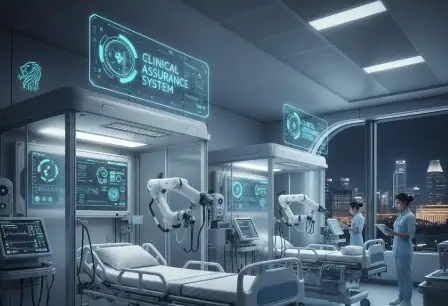
Clinical assurance systems are key tools in modern healthcare. They help hospitals maintain high standards and improve patient care. These systems check and verify clinical processes to reduce errors and ensure safety. Hospitals in Singapore use these systems to support doctors and nurses in their daily tasks. The goal is clear: safer treatments and better health outcomes.
Role In Patient Safety
Clinical assurance systems protect patients from mistakes. They track medication, treatments, and procedures closely. Alerts notify staff of potential risks before harm occurs. This system reduces errors in drug prescriptions and dosage. Patient records are kept accurate and up-to-date. The result is fewer complications and safer hospital stays.
Technological Advancements
Technology boosts the power of clinical assurance systems. Hospitals use software that learns from data to spot risks early. Mobile apps allow staff to access patient information on the go. Some systems use artificial intelligence to predict patient needs. These tools support quick decisions and improve care quality. Singapore hospitals invest in these technologies to stay ahead.
Benefits For Hospitals
Clinical assurance systems improve hospital efficiency. They reduce costs by preventing errors and rework. Staff can focus more on patients, less on paperwork. Hospitals gain better control over clinical processes. This leads to higher patient satisfaction and trust. The systems also help hospitals meet strict healthcare regulations.
Leading Hospitals With Clinical Assurance
Hospitals in Singapore are advancing patient care through clinical assurance systems. These systems help monitor and improve treatment quality. They ensure safety and accuracy in healthcare services. Many top hospitals in Singapore lead the way in using these technologies.
Singapore General Hospital
Singapore General Hospital (SGH) is a pioneer in clinical assurance. It uses advanced systems to track patient outcomes. The hospital focuses on error reduction and process improvement. SGH integrates data to enhance treatment safety and efficiency.
National University Hospital
National University Hospital (NUH) adopts clinical assurance tools for better care. It monitors clinical practices continuously. NUH aims to reduce risks and improve patient results. The hospital uses technology to support doctors and nurses daily.
Tan Tock Seng Hospital
Tan Tock Seng Hospital (TTSH) applies clinical assurance systems widely. It checks treatment steps to avoid mistakes. The hospital enhances patient safety through real-time alerts. TTSH also trains staff to use these systems effectively.
Changi General Hospital
Changi General Hospital (CGH) employs clinical assurance to improve healthcare delivery. It focuses on patient safety and quality checks. CGH uses data to detect issues early. This helps staff act quickly and prevent harm.
Features Of Trusted Clinical Assurance Systems
Clinical assurance systems in Singapore hospitals focus on patient safety and care quality. These systems have key features that help medical staff deliver accurate and timely treatment.
Reliable clinical assurance tools reduce mistakes and improve communication. They support doctors and nurses in tracking patient health effectively.
Real-time Monitoring
Real-time monitoring allows constant tracking of patient vital signs. Any changes trigger immediate alerts for quick action. This feature helps prevent complications by spotting problems early.
Hospitals use sensors and devices connected to the system. Staff can view data instantly on screens or mobile apps. Quick updates help save lives and reduce risks.
Error Reduction Mechanisms
Error reduction tools catch mistakes before they affect patients. These include automated checks on medication doses and treatment plans. The system warns staff of possible errors or conflicts.
Standardized procedures built into the software guide healthcare workers. This lowers human errors caused by fatigue or distractions. Clear alerts ensure safer patient care.
Data Integration And Accessibility
Trusted systems gather data from multiple sources into one place. Doctors access patient records, test results, and history easily. This quick access supports better diagnosis and treatment decisions.
Data is stored securely but remains available to authorized staff anytime. Integration avoids repeated tests and saves time. It also improves communication among care teams.
Patient Experience And Clinical Assurance
Patient experience plays a key role in hospitals that use clinical assurance systems. These systems help ensure safe and effective care. They also make patients feel valued and understood. Hospitals in Singapore focus on both care quality and patient comfort. This balance improves overall health outcomes and trust in medical services.
Improved Treatment Outcomes
Clinical assurance systems help doctors follow best practices. They reduce errors during diagnosis and treatment. Patients receive the right care at the right time. This leads to faster recovery and fewer complications. Hospitals monitor progress closely and adjust treatments as needed. Patients benefit from safer, more accurate care plans.
Enhanced Communication
Clear communication is vital for good patient experience. Clinical assurance tools support better information sharing among doctors, nurses, and patients. Patients understand their conditions and treatment steps. Healthcare teams coordinate smoothly, avoiding misunderstandings. This clarity builds patient confidence and reduces anxiety.
Feedback And Continuous Improvement
Hospitals use patient feedback to improve services. Clinical assurance systems collect data on care quality and patient satisfaction. Staff review this information to find areas needing change. Continuous improvement ensures care stays safe and effective. Patients feel their opinions matter and help shape better care.
Future Trends In Clinical Assurance Systems
Clinical assurance systems in Singapore hospitals are evolving fast. These systems help improve patient safety and care quality. New technologies are shaping the future of clinical assurance. They make processes smarter and more efficient.
Ai And Machine Learning Integration
Hospitals use AI to analyze large data quickly. This helps detect potential errors early. Machine learning improves decision-making by learning from past cases. It supports doctors with precise and timely information. AI tools reduce human mistakes and save time.
Remote Monitoring Capabilities
Remote monitoring allows doctors to track patients from afar. It uses sensors and wearable devices to collect health data. This helps in early detection of complications. Patients get care without frequent hospital visits. It also reduces the burden on hospital staff.
Interoperability Enhancements
Different hospital systems can now share information smoothly. Interoperability connects labs, pharmacies, and patient records. It ensures all care providers have updated data. This reduces delays and errors in treatment. Better communication leads to safer patient care.
Frequently Asked Questions
What Are Clinical Assurance Systems In Hospitals?
Clinical Assurance Systems ensure healthcare quality by monitoring patient safety and treatment effectiveness. They help hospitals maintain high care standards and reduce medical errors. These systems use data analytics and real-time alerts to support clinical decisions and improve overall patient outcomes.
Which Hospitals In Singapore Use Clinical Assurance Systems?
Major hospitals like Singapore General Hospital, Tan Tock Seng Hospital, and National University Hospital use Clinical Assurance Systems. These institutions adopt advanced technologies to enhance patient safety and clinical efficiency. They continuously upgrade their systems to provide reliable and quality healthcare services.
How Do Clinical Assurance Systems Improve Patient Safety?
These systems detect potential risks and prevent adverse events by monitoring treatment processes. They provide alerts for medication errors, allergies, and vital sign abnormalities. This proactive approach helps healthcare professionals act swiftly, ensuring safer patient care and reducing hospital readmissions.
Are Clinical Assurance Systems Cost-effective For Hospitals?
Yes, they reduce costs by minimizing medical errors and improving resource management. By preventing complications, hospitals save on extended treatments and legal expenses. Investment in these systems leads to better patient outcomes and overall healthcare efficiency.
Conclusion
Hospitals in Singapore use clinical assurance systems to improve care quality. These systems help detect errors and ensure patient safety. Patients receive better treatment and faster responses. Technology supports doctors and nurses in their work. Choosing hospitals with these systems can bring peace of mind.
It shows a strong commitment to patient health. Such tools make healthcare more reliable and efficient. Trust in hospitals that value safety and accuracy. Clinical assurance systems play a key role in modern healthcare. They help hospitals provide safer and smarter care every day.