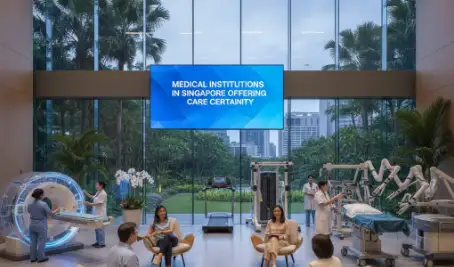
When it comes to your health, you want more than just treatment—you want care you can trust. Finding medical institutions in Singapore offering care certainty means choosing places where your well-being is the top priority.
Imagine having peace of mind, knowing that every step of your healthcare journey is handled with expertise and compassion. This article will guide you to the best medical centers that deliver reliable, high-quality care, so you can focus on what truly matters: your health and recovery.
Keep reading to discover how these institutions put your needs first and why they stand out in Singapore’s healthcare landscape.
Top Medical Institutions In Singapore
Singapore is known for its excellent healthcare system. The top medical institutions here offer care certainty to all patients. These institutions provide reliable, high-quality medical services. Patients receive expert treatment and support throughout their care journey. The city-state’s medical facilities are well-equipped and staffed by skilled professionals.
These institutions include public hospitals, private healthcare providers, and specialized medical centers. Each type plays a vital role in serving different patient needs. This section highlights the key players in Singapore’s healthcare landscape.
Public Hospitals Leading Care
Public hospitals in Singapore provide affordable and comprehensive care. They handle a large number of patients daily. Institutions like Singapore General Hospital and Tan Tock Seng Hospital are well-known. They offer emergency services, surgeries, and chronic disease management. These hospitals maintain high standards in patient safety and treatment quality.
Private Healthcare Providers
Private healthcare providers offer personalized and quicker services. Patients enjoy shorter waiting times and private rooms. Examples include Raffles Medical Group and Parkway Pantai. These providers focus on patient comfort and convenience. They also invest in advanced medical technology and facilities.
Specialized Medical Centers
Specialized medical centers focus on specific health conditions. Examples are National Cancer Centre Singapore and KK Women’s and Children’s Hospital. These centers provide expert care in oncology, pediatrics, and more. They use cutting-edge treatments and research to improve outcomes. Patients benefit from targeted and effective care plans.
Certifications Ensuring Quality Care
Certifications play a big role in ensuring quality care at medical institutions in Singapore. They show a hospital’s commitment to safety, standards, and patient well-being. These certifications come from both international and local bodies. They guide hospitals to maintain high levels of care. Patients can trust these certifications as proof of reliable and safe treatment.
International Accreditation Standards
Many Singapore hospitals earn international accreditations. These include Joint Commission International (JCI) and Accreditation Canada. Such accreditations require hospitals to follow strict safety and care protocols. They check everything from hygiene to staff training. Hospitals with these marks meet global health care standards. It boosts patient trust and hospital credibility.
Local Regulatory Certifications
Local authorities also certify medical institutions. The Ministry of Health Singapore (MOH) sets key regulations. Hospitals must comply with MOH licensing and audits. The Singapore Accreditation Council (SAC) offers quality certifications too. These local certifications ensure care fits national laws and patient needs. They focus on continuous improvement and accountability.
Impact On Patient Safety
Certifications directly improve patient safety. They reduce risks like infections and medical errors. Hospitals follow clear guidelines on treatment and hygiene. Staff training is regularly updated to meet standards. Patients get safer, more effective care every time. Confidence in medical institutions grows with these certifications. Safety becomes a clear priority for all healthcare providers.
Innovations Enhancing Patient Care
Medical institutions in Singapore focus on improving patient care through new innovations. These advances help doctors and nurses provide better treatment. Patients feel safer and more confident in their care.
Innovations cover many areas, from new machines to digital tools. They also include personalized treatments that fit each patient’s needs. These improvements make healthcare more effective and efficient.
Advanced Medical Technologies
Hospitals use the latest machines for accurate diagnosis. Imaging tools like MRI and CT scans help detect problems early. Robots assist in surgeries, making procedures less invasive. These technologies reduce risks and speed up recovery.
Digital Health Solutions
Digital platforms allow patients to book appointments online. Telemedicine helps patients consult doctors from home. Electronic health records keep all patient information in one place. These solutions save time and improve communication.
Personalized Treatment Approaches
Doctors tailor treatments based on individual health data. Genetic tests guide medication choices for better results. Care plans adjust to how patients respond to therapy. Personalization leads to more successful and safer treatments.
Patient Experience In Singapore Healthcare
Patient experience is a key focus in Singapore healthcare. Hospitals and clinics aim to make visits smooth and comfortable. Patients receive clear communication and respectful care. These factors help build trust and confidence in medical services.
Accessibility And Convenience
Medical institutions in Singapore are easy to reach. Many are close to public transport stations. Appointment systems are user-friendly and reduce waiting times. Clinics often offer extended hours for busy patients. Online platforms allow booking and checking health records.
Patient Support Services
Hospitals provide support beyond medical treatment. Staff help patients understand their conditions and treatments. Language assistance is available for non-English speakers. Counselling and social work services support emotional needs. Family members can also get guidance during care.
Feedback And Improvement Mechanisms
Patients can share their opinions through surveys and suggestion boxes. Hospitals review feedback to improve services. Regular training ensures staff follow best care practices. Quick responses to complaints show commitment to patient welfare. Continuous improvement helps maintain high care standards.
Government Initiatives Supporting Care Certainty
Singapore’s government plays a key role in ensuring care certainty in medical institutions. It introduces initiatives that support patient safety and trust. These efforts make healthcare more reliable and accessible for everyone. The initiatives cover funding, quality, and workforce training.
Healthcare Funding And Subsidies
The government provides strong financial support to healthcare providers. Subsidies help reduce costs for patients. This ensures that medical care is affordable for all citizens. Public hospitals receive funding to improve facilities and services. These measures help maintain high standards of care.
Quality Assurance Programs
Singapore enforces strict quality assurance programs in medical institutions. Regular audits and inspections check for safety and service standards. Hospitals must meet clear guidelines to keep their licenses. These programs promote consistent and trustworthy patient care. They build confidence in the healthcare system.
Training And Workforce Development
The government invests in healthcare training and workforce development. Medical staff receive continuous education and skills upgrading. This keeps them updated with the latest medical practices. Training programs focus on patient-centered care and communication. A skilled workforce ensures better treatment and patient experience.
Future Trends In Singapore Healthcare
Singapore’s healthcare system is evolving fast to meet future needs. It aims to offer care that is certain and accessible for all. The focus is on using new technology and smart methods. These trends will shape how patients get treated in the years ahead.
Telemedicine Expansion
Telemedicine lets patients consult doctors online. This saves travel time and reduces waiting rooms. Singapore is increasing telemedicine services in many clinics. Patients can get advice and prescriptions from home. This makes healthcare easier and faster for everyone.
Ai And Robotics Integration
Artificial intelligence helps doctors make better decisions. AI can analyze medical data quickly and spot problems early. Robots assist in surgeries and routine tasks. They improve precision and reduce human error. Singapore hospitals are adopting these tools to enhance patient care.
Sustainable Healthcare Practices
Healthcare uses many resources and energy daily. Singapore is working on green solutions in hospitals. They use energy-saving machines and recycle medical waste. Sustainable practices help protect the environment. This ensures healthcare remains good for future generations.
Frequently Asked Questions
What Types Of Care Do Singapore Medical Institutions Provide?
Singapore medical institutions offer comprehensive care including general health, specialist treatments, emergency services, and chronic disease management. They focus on patient-centered care, advanced technology, and personalized treatment plans to ensure positive health outcomes and care certainty for all patients.
How Do Singapore Hospitals Ensure Care Certainty?
Singapore hospitals ensure care certainty through strict safety protocols, qualified healthcare professionals, and advanced medical technology. They emphasize continuous training, patient monitoring, and evidence-based practices to deliver reliable and effective medical care consistently across all departments.
Are Singapore Medical Institutions Internationally Accredited?
Yes, many Singapore medical institutions hold international accreditations like JCI and ACHSI. These certifications demonstrate high standards in patient safety, quality of care, and hospital management, ensuring trust and care certainty for both local and international patients.
What Specialties Are Prominent In Singapore’s Medical Institutions?
Singapore’s medical institutions excel in cardiology, oncology, neurology, orthopedics, and pediatrics. They offer cutting-edge treatments, multidisciplinary teams, and research-driven approaches to provide specialized care with high success rates and patient satisfaction.
Conclusion
Singapore’s medical institutions offer reliable and quality care. Patients receive timely treatment from skilled professionals. Facilities use modern technology for accurate diagnoses. Comfort and safety remain top priorities for all. Choosing the right institution eases health concerns greatly. Trust in Singapore’s healthcare system grows daily.
Peace of mind comes with expert medical support. Your health deserves this level of certainty.