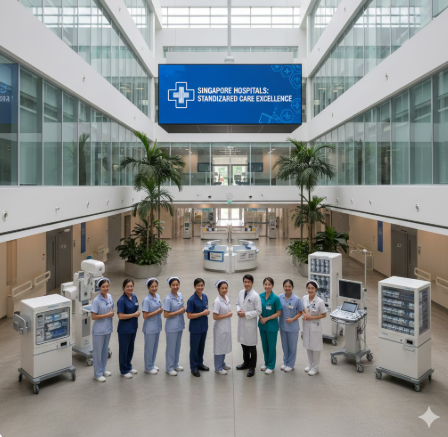
When it comes to your health, you want nothing less than the best care possible. Singapore hospitals are setting a new standard for excellence, ensuring you receive consistent, high-quality treatment every time.
Imagine walking into a hospital where every step of your care is carefully planned and delivered with precision. This is not just about advanced technology, but about a commitment to your well-being that you can trust. Keep reading to discover how these hospitals are transforming healthcare and what it means for your health journey.
Singapore’s Healthcare Landscape
Singapore’s healthcare landscape is known for its high quality and efficiency. The country combines advanced medical technology with skilled professionals. Hospitals follow strict standards to ensure consistent care for all patients. This system supports a healthy population and trust in medical services.
Strong leadership and clear policies help maintain this excellence. Hospitals work together to share knowledge and improve services. The government plays a key role in guiding healthcare development and funding. These efforts create a healthcare environment that meets global standards.
Key Hospital Networks
Singapore has several major hospital networks. They cover different regions and specialties. Examples include Singapore Health Services (SingHealth), National Healthcare Group (NHG), and JurongHealth. Each network manages multiple hospitals and clinics. They coordinate care to provide smooth patient experiences. These networks also focus on research and training for staff.
Government Healthcare Initiatives
The government supports healthcare through many programs. These initiatives ensure affordable and accessible care. Policies promote preventive health and early treatment. Funding helps hospitals upgrade equipment and train workers. Public health campaigns raise awareness about common diseases. This approach strengthens the entire healthcare system.
Standardized Care Models
Standardized care models help hospitals in Singapore provide consistent and reliable treatment. These models focus on clear steps and best practices. They reduce errors and improve patient safety. Hospitals follow these models to ensure every patient receives high-quality care.
Standardized care also helps doctors and nurses work together smoothly. It creates a shared understanding of how to treat illnesses. This approach supports faster recovery and better health outcomes for patients.
Protocols And Guidelines
Protocols are detailed instructions for treating specific conditions. Hospitals create guidelines based on research and expert advice. These guidelines help medical staff make the right decisions quickly. They cover areas like diagnosis, medication, and surgery. Following protocols ensures care is safe and effective.
Guidelines are regularly updated to include new medical discoveries. This keeps hospital care modern and reliable. Staff members receive training on the latest protocols. This training helps maintain high standards across all departments.
Quality Assurance Measures
Quality assurance checks help hospitals maintain care standards. These checks review patient outcomes and treatment processes. Hospitals use audits and feedback to find areas for improvement. Quality teams monitor errors and patient satisfaction closely.
Continuous improvement is a key part of quality assurance. Hospitals set clear goals and measure progress regularly. This focus on quality helps build trust with patients and families. It also supports better health results across Singapore’s healthcare system.
Innovative Technologies In Hospitals
Hospitals in Singapore use new tools to improve patient care. Technology plays a big role in making healthcare better and safer. These innovations help doctors and nurses work faster and smarter. Patients get better treatment and faster recovery.
Digital Health Records
Hospitals store patient information electronically. This makes it easy to access records anytime. Doctors can quickly see medical history and test results. It helps avoid mistakes and repeated tests. Patients get faster and more accurate care.
Ai And Robotics Integration
Artificial intelligence helps with diagnosis and treatment plans. Robots assist in surgeries and routine tasks. This reduces human error and speeds up procedures. Patients benefit from less pain and shorter hospital stays. Technology supports medical staff to focus on patient care.
Patient-centered Approaches
Patient-centered care is a key focus in Singapore hospitals. It ensures each patient receives care tailored to their needs and preferences. This approach improves health outcomes and patient satisfaction. Hospitals prioritize clear communication and respect for patient choices. Staff work closely with patients and families throughout treatment. The goal is to create a supportive and understanding environment for healing.
Personalized Treatment Plans
Each patient gets a treatment plan designed just for them. Doctors consider medical history, lifestyle, and personal goals. This helps create a plan that fits the patient’s unique needs. Adjustments are made as patients respond to treatment. This method leads to better results and faster recovery. Patients feel valued and involved in their care.
Patient Engagement And Feedback
Hospitals encourage patients to share their thoughts and concerns. Feedback helps improve hospital services and care quality. Patients join discussions about their treatment options. Staff listen carefully and answer all questions. Engaged patients are more confident and comfortable during care. This open communication builds trust and strengthens the patient-provider relationship.
Training And Development
Training and development play a key role in Singapore hospitals’ delivery of high-quality care. Staff members continuously improve their skills to meet global standards. Ongoing education ensures doctors and nurses stay updated with the latest medical knowledge. Hospitals invest in programs that enhance clinical skills and patient safety. This focus on growth helps maintain consistent and excellent care across all departments.
Continuous Medical Education
Doctors and nurses attend regular courses and workshops. These sessions cover new treatments, technologies, and patient care methods. Learning never stops in Singapore hospitals. Medical staff also participate in certifications and exams to keep their licenses active. This constant education helps reduce errors and improves patient outcomes. It builds a culture of lifelong learning among healthcare professionals.
Interdisciplinary Collaboration
Healthcare teams from different specialties work closely together. Sharing knowledge and skills creates better treatment plans. Nurses, doctors, therapists, and pharmacists discuss patient cases regularly. This teamwork leads to faster diagnosis and more effective care. Hospitals encourage open communication across departments. Collaboration strengthens problem-solving and supports comprehensive patient care.
Outcomes And Impact
Singapore hospitals focus on delivering care that meets high standards. This approach improves health results for patients. It also builds trust in the healthcare system. Outcomes and impact are clear signs of success. They show how well hospitals meet patient needs and safety.
Improved Patient Safety
Patient safety is a top priority in Singapore hospitals. Standardized care reduces errors during treatment. Staff follow clear protocols to avoid mistakes. This reduces risks like infections and wrong medications. Patients feel safer and more confident. Hospitals track safety results to make care better.
Enhanced Treatment Effectiveness
Standardized care helps doctors give the right treatments. Clear guidelines lead to consistent care for all patients. This improves how well treatments work. Patients recover faster and face fewer complications. Hospitals use data to refine treatment plans. Better treatment means healthier patients and stronger care systems.
Future Directions In Care Excellence
Singapore hospitals continue to raise the bar in healthcare. Their future plans focus on improving care quality and patient experience. New technologies and green practices play key roles. These efforts aim to create a health system that is both advanced and sustainable.
Emerging Innovations
Hospitals in Singapore use new tools to enhance care. Artificial intelligence helps doctors make faster decisions. Telemedicine allows patients to consult from home. Robotics assist in surgeries for better accuracy. These innovations reduce errors and improve outcomes. Patients get safer and more personalized treatment.
Sustainability In Healthcare
Hospitals adopt eco-friendly methods to protect the environment. They reduce waste and use energy-efficient systems. Water-saving technologies help lower consumption. Staff promote recycling and sustainable practices. These steps ensure healthcare supports both people and the planet. A greener future is part of care excellence.
Frequently Asked Questions
What Defines Standardized Care In Singapore Hospitals?
Standardized care in Singapore hospitals means consistent treatment protocols. It ensures high-quality, safe, and effective patient care across all facilities. This approach minimizes errors and improves health outcomes by following evidence-based guidelines.
How Do Singapore Hospitals Ensure Care Excellence?
Singapore hospitals invest in skilled staff, advanced technology, and continuous training. They implement strict quality control and patient safety measures. Collaboration and innovation also drive their commitment to delivering outstanding healthcare services.
Why Is Standardized Care Important For Patients?
Standardized care guarantees uniform treatment regardless of location or provider. It reduces risks, enhances recovery speed, and boosts patient trust. This consistency makes healthcare more reliable and accessible for everyone.
Which Singapore Hospitals Lead In Care Standardization?
Top hospitals like Singapore General Hospital and Tan Tock Seng Hospital are pioneers. They adopt global best practices and maintain rigorous accreditation standards. These institutions set benchmarks for care excellence nationwide.
Conclusion
Singapore hospitals set a high bar for quality care. They follow clear, consistent standards to help patients heal better. Skilled doctors and nurses work together every day. Technology and safety measures keep care reliable and safe. Patients receive treatment they can trust.
This focus helps Singapore stay a leader in health services. Choosing care here means choosing excellence and peace of mind. Quality and compassion come hand in hand. A strong health system supports a healthy life for all.