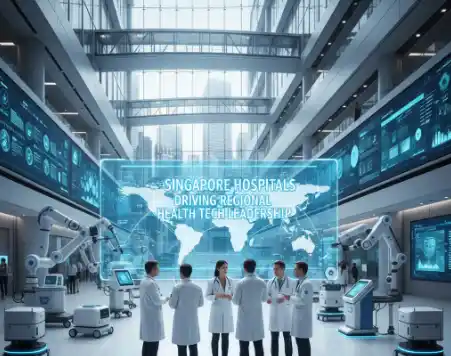
Have you ever wondered how some hospitals stay ahead in medical technology while others struggle to keep up? Singapore hospitals are not just treating patients—they are leading a health tech revolution in the region.
This means better care for you and your loved ones, faster diagnoses, and smarter treatments. If you want to know how these hospitals are shaping the future of healthcare and what it means for your health, keep reading. You’re about to discover the powerful innovations that are changing lives across Asia.
Singapore’s Health Tech Landscape
Singapore stands as a strong hub for health technology in Asia. Hospitals here lead in adopting new tech to improve patient care. The country blends medical knowledge with digital tools well.
Its health tech landscape grows fast. Many players work together to create smart solutions. These efforts place Singapore ahead in regional health innovation.
Key Players In Healthcare
Leading hospitals drive health tech progress. They use AI, data analytics, and telemedicine. These tools help doctors diagnose and treat better. Research institutes also support new health solutions. Private firms bring fresh ideas and products. This mix creates a strong health tech ecosystem.
Government Support And Initiatives
The government invests heavily in health technology. It funds research and health startups. Policies encourage digital health adoption in hospitals. Training programs help workers learn new tech skills. National projects improve healthcare access and quality. Such support builds a solid foundation for growth.
Collaborations With Tech Firms
Hospitals partner with tech companies to innovate. These collaborations create better medical devices and software. Joint projects focus on AI, robotics, and cloud solutions. Tech firms provide expertise and resources. Hospitals test new tools in real settings. This teamwork speeds up health tech development.
Innovations In Patient Care
Singapore hospitals lead in new ways to improve patient care. They use smart tools and modern methods. These changes help patients get better care faster and with less hassle. The focus is on using technology to make treatment safer and more personal.
Ai And Machine Learning Applications
Hospitals use AI to analyze patient data quickly. This helps doctors spot diseases early. Machine learning predicts patient risks and suggests treatments. It also helps in managing hospital resources efficiently. AI supports doctors by providing accurate information fast.
Telemedicine Advancements
Telemedicine lets patients see doctors without leaving home. Singapore hospitals offer video calls for consultations. This saves travel time and reduces hospital visits. Remote monitoring devices track patient health daily. Telemedicine makes care more accessible and convenient.
Personalized Treatment Approaches
Each patient receives care based on their unique needs. Doctors use data to tailor treatments precisely. Personalized care improves recovery rates and patient satisfaction. It reduces side effects by targeting therapies better. Singapore hospitals focus on making treatments fit each person.
Smart Hospital Infrastructure
Singapore hospitals lead in smart hospital infrastructure. They use advanced technology to improve patient care and hospital operations. This smart approach helps hospitals work faster and safer. It also supports doctors and nurses with better tools.
The infrastructure focuses on three main areas: automation and robotics, digital patient records, and smart facility management. Each plays a key role in making hospitals more efficient and patient-friendly.
Automation And Robotics
Robots handle many routine tasks in Singapore hospitals. They deliver medicines and supplies quickly. Robots also assist in surgeries with high precision. This reduces human error and speeds up treatment. Automation helps staff focus on patient care rather than chores.
Digital Patient Records
Hospitals use digital systems to store patient information. Records are easy to access and update by doctors. This improves diagnosis and treatment plans. Digital records reduce paperwork and lost files. They allow quick sharing of patient data across departments.
Smart Facility Management
Smart systems control hospital lighting, air, and energy use. Sensors detect problems early, like equipment failures. This keeps the hospital safe and comfortable. Smart management lowers costs and saves energy. It creates a better environment for patients and staff.
Research And Development Hubs
Singapore hospitals play a key role in advancing health technology in the region. They host research and development hubs that focus on innovation and patient care. These hubs bring together experts, technology, and resources. Their goal is to create new treatments and improve healthcare services. Research and development hubs make Singapore a leader in health tech.
Clinical Trials And Studies
Hospitals in Singapore conduct many clinical trials and studies. These trials test new medicines and medical devices. Patients can access cutting-edge treatments through these studies. Researchers gather data to ensure safety and effectiveness. This process helps bring new health solutions to the market faster.
Partnerships With Universities
Collaborations with universities strengthen hospital research efforts. Universities provide fresh ideas and skilled researchers. Hospitals offer real-world settings for testing innovations. Joint projects result in practical health technologies. These partnerships nurture talent and encourage knowledge sharing.
Funding And Grants
Funding and grants support the development of health technology. The government and private sectors invest in research hubs. This financial aid allows hospitals to buy equipment and hire experts. It also supports long-term projects with high potential. Stable funding helps maintain Singapore’s edge in health tech.
Training And Talent Development
Singapore hospitals focus strongly on training and talent development. This focus supports the city-state’s role as a leader in regional health technology. Skilled professionals drive innovation and improve healthcare services. Continuous learning helps staff keep up with new health tech advances. Hospitals invest in education and training programs to build a strong workforce.
Healthcare Tech Education
Hospitals partner with universities to offer healthcare technology courses. These courses teach the basics of medical devices and software. Students learn how technology improves patient care and safety. Practical training prepares students for real-world health tech challenges. Education programs build a solid foundation for future healthcare workers.
Upskilling Programs
Hospitals provide upskilling programs for current staff. These programs focus on new technologies and digital tools. Staff learn to use electronic health records and telemedicine platforms. Training sessions are hands-on and easy to follow. Upskilling helps workers stay updated and ready for tech changes.
Attracting Regional Talent
Singapore hospitals attract skilled professionals from nearby countries. They offer competitive training and career growth opportunities. International talent brings diverse skills and fresh ideas. Hospitals support a welcoming environment for foreign experts. This effort strengthens the health tech workforce across the region.
Regional Impact And Expansion
Singapore hospitals play a key role in shaping health technology across the region. Their innovations and expertise do not stay within the city-state alone. Instead, they expand and influence neighboring countries. This regional impact helps improve healthcare quality and access in many places.
The expansion of Singapore’s health tech sector also creates new opportunities. Hospitals partner with others beyond their borders. They share knowledge and technologies to tackle common health challenges. This collaboration strengthens the entire Southeast Asian healthcare system.
Cross-border Collaborations
Singapore hospitals work closely with medical centers in nearby countries. These collaborations include joint research projects and clinical trials. Sharing data and insights helps develop better treatments. Cross-border teamwork speeds up the adoption of new health technologies. It also builds trust between healthcare institutions in the region.
Exporting Innovations
Health technologies developed in Singapore reach other markets quickly. Hospitals and companies export devices and software to Southeast Asia and beyond. These innovations address local health needs and improve patient care. Exporting also boosts Singapore’s economy and reputation in health tech.
Influence On Southeast Asia
Singapore’s health tech leadership inspires many countries nearby. Hospitals in the region adopt Singapore’s best practices and standards. Training programs and workshops spread knowledge to healthcare workers. This influence raises the quality of care in Southeast Asia. Patients benefit from safer, faster, and more effective treatments.
Challenges And Future Directions
Singapore hospitals lead in health tech innovation across Asia. Challenges remain. These challenges shape the future of healthcare technology in the region. Understanding these issues helps stakeholders prepare for what lies ahead.
Data Privacy And Security
Protecting patient data is a top priority. Hospitals handle vast amounts of sensitive information daily. Cyberattacks and data breaches pose serious risks. Ensuring strong security measures builds trust with patients. Hospitals must follow strict data protection rules. Investing in advanced encryption and secure networks is crucial.
Regulatory Hurdles
Health technology must meet many regulations. These rules vary by country and region. Compliance can slow down innovation and deployment. Hospitals work closely with regulators to align standards. Streamlining approval processes can boost technology adoption. Clear guidelines help innovators design safer, more effective solutions.
Emerging Technologies To Watch
Artificial intelligence improves diagnostics and patient care. Telemedicine expands healthcare access beyond hospital walls. Wearable devices monitor health in real time. Robotics assist in surgeries and rehabilitation. These technologies offer new ways to enhance treatment. Hospitals in Singapore continue to explore and adopt these tools.
Frequently Asked Questions
How Are Singapore Hospitals Leading In Health Tech Innovation?
Singapore hospitals integrate cutting-edge technology like AI and robotics. They foster research collaborations and invest in digital health solutions. This positions them as leaders in regional health tech innovation and patient care improvements.
What Technologies Are Singapore Hospitals Using For Patient Care?
Singapore hospitals use AI diagnostics, telemedicine, wearable health devices, and robotic surgery. These technologies improve accuracy, accessibility, and efficiency in healthcare delivery. They enhance patient outcomes and streamline medical processes.
Why Is Singapore A Hub For Regional Health Tech Leadership?
Singapore’s strong healthcare infrastructure, government support, and skilled workforce attract health tech investments. Its strategic location and innovation-driven policies foster regional collaboration and technological advancements in healthcare.
How Do Singapore Hospitals Support Health Tech Startups?
Hospitals provide incubation, funding, and clinical trial opportunities for startups. They offer access to real-world data and expert mentorship. This support helps startups develop practical health tech solutions.
Conclusion
Singapore hospitals lead in health tech across the region. They invest in smart tools and strong teamwork. This helps doctors give better care to patients. New technology also makes treatments faster and safer. The city’s focus on health tech draws experts and companies nearby.
This creates a healthy cycle of growth and learning. The future looks bright as Singapore keeps pushing health innovation forward. This progress benefits not just the city but the whole region too. Health tech leadership here shows how smart ideas can change healthcare for good.