When it comes to your health, seamless care matters more than ever. If you or your loved ones need medical treatment across different specialists or facilities, managing appointments, records, and communication can quickly become overwhelming.
That’s where enterprise medical coordination steps in to change everything. In Singapore, several hospitals now offer this advanced service designed to make your healthcare experience smoother, faster, and more connected. Keep reading to discover how these hospitals can help you take control of your health journey with ease and confidence.
Enterprise Medical Coordination In Singapore
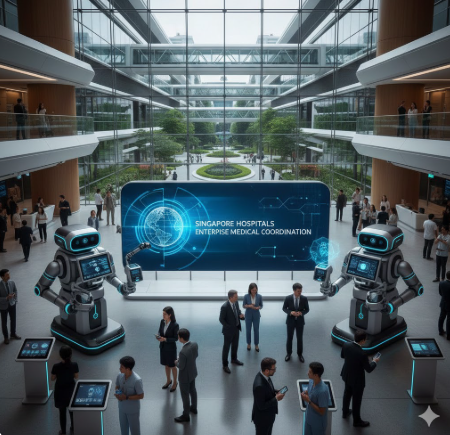
Enterprise medical coordination in Singapore helps hospitals manage patient care across many departments. It connects doctors, nurses, and other health staff to share patient information quickly. This system improves the quality of care and reduces mistakes. Hospitals use it to keep patient records clear and up-to-date. Patients get faster and safer treatment through better teamwork.
Benefits For Patients And Providers
Patients receive care that is well-organized and easy to follow. Their medical history is available to all doctors involved in treatment. This lowers the chance of errors and repeated tests. Patients spend less time waiting and more time recovering. Providers save time by accessing all patient data in one place. It helps them make faster and better decisions. Coordination reduces misunderstandings and improves communication among staff.
Key Features Of Coordination Solutions
These solutions include electronic health records that update in real time. They offer alerts for medication schedules and test results. Staff can view patient history from any department or location. The system supports appointment scheduling and follow-up reminders. It tracks patient progress and reports outcomes easily. Security measures keep patient data safe and private at all times.
Leading Hospitals With Coordination Services
Enterprise medical coordination helps hospitals manage patient care smoothly. It connects different departments and specialists. This service improves communication and reduces delays. Singapore’s top hospitals offer strong coordination services. They ensure patients receive timely and organized care.
Singapore General Hospital
Singapore General Hospital leads in medical coordination. It uses advanced systems to share patient data quickly. Teams work together to plan treatments clearly. Patients experience fewer wait times and better follow-ups. The hospital supports complex cases with careful coordination.
Tan Tock Seng Hospital
Tan Tock Seng Hospital focuses on teamwork for patient care. Coordination teams link doctors, nurses, and therapists. This approach helps patients move smoothly through different treatments. The hospital uses digital tools to track patient progress. Care plans stay updated and easy to access.
National University Hospital
National University Hospital offers integrated care through strong coordination. It connects specialists across many fields for patient support. The hospital uses electronic records for faster information flow. Patients benefit from well-organized appointments and clear instructions. The system helps reduce errors and improves care quality.
Technology Behind Coordination Systems
Technology plays a key role in medical coordination at Singapore hospitals. It helps doctors and staff share patient information quickly and safely. This leads to better care and faster decisions.
Systems use digital tools to connect different departments and specialists. This reduces errors and improves patient outcomes. The use of technology makes healthcare more organized and efficient.
Electronic Health Records Integration
Electronic Health Records (EHR) store patient data digitally. Hospitals connect EHR systems to share information instantly. This helps doctors see a patient’s history in real time.
Integration allows labs, pharmacies, and clinics to update records automatically. It reduces paperwork and the risk of missing details. Patients get faster and more accurate diagnoses because of this.
Telemedicine And Remote Monitoring
Telemedicine lets patients consult doctors via video calls. It is useful for follow-ups and minor health issues. Remote monitoring uses devices to track vital signs from home.
Doctors receive real-time data on heart rate, blood pressure, and more. This helps detect problems early and adjust treatments quickly. Telemedicine and remote tools keep patients connected to care teams easily.
Patient Experience And Care Outcomes
Patient experience and care outcomes are key in healthcare quality. Hospitals in Singapore focus on these to improve health services. Enterprise medical coordination plays a big role here. It connects different parts of care for smoother patient journeys. This coordination helps patients feel cared for and safe. It also supports better health results.
Streamlining Appointments And Treatments
Enterprise medical coordination simplifies scheduling for patients. It reduces wait times and avoids appointment clashes. Patients get clear instructions on tests and treatments. This saves time and lowers stress. Coordinated care ensures treatments follow the right order. It helps doctors share patient information easily. This teamwork leads to faster recovery and fewer hospital visits.
Reducing Medical Errors
Medical errors can harm patients and delay healing. Enterprise coordination keeps patient data accurate and updated. It alerts doctors about allergies and medication conflicts. Clear communication between staff reduces mistakes. It also tracks treatment plans closely. Hospitals can spot problems early and fix them. Safer care means better patient trust and health outcomes.
Challenges And Future Trends
Singapore hospitals face many challenges in enterprise medical coordination. Managing patient data across multiple systems can be complex. Hospitals must ensure smooth communication among healthcare teams. They also need to protect patient privacy and data security. At the same time, new technologies are shaping the future of medical coordination. Hospitals are exploring innovative tools to improve care and efficiency.
Data Security And Privacy
Patient information is sensitive and must stay secure. Hospitals use strong encryption to protect data from breaches. Access controls limit who can see or change records. Compliance with laws like PDPA is mandatory. Protecting privacy builds trust between patients and hospitals. Regular security audits help identify and fix risks. Staff training on data handling reduces human errors.
Emerging Innovations In Coordination
Hospitals adopt new tools to enhance medical coordination. Electronic health records (EHR) systems link patient data seamlessly. Artificial intelligence helps predict patient needs and suggest treatments. Telemedicine allows doctors to consult remotely and share information instantly. Mobile apps enable patients to track their health easily. These innovations improve communication and speed up care delivery.
Frequently Asked Questions
What Is Enterprise Medical Coordination In Singapore Hospitals?
Enterprise medical coordination integrates patient care across multiple departments. It improves communication, streamlines processes, and enhances treatment outcomes in Singapore hospitals.
Which Hospitals In Singapore Offer Enterprise Medical Coordination?
Major hospitals like Singapore General Hospital, Tan Tock Seng Hospital, and National University Hospital provide enterprise medical coordination services.
How Does Enterprise Medical Coordination Benefit Patients?
It ensures seamless care, reduces errors, and speeds up diagnosis and treatment by connecting various specialists efficiently.
Is Enterprise Medical Coordination Available For All Medical Conditions?
Yes, it supports chronic diseases, complex cases, and routine treatments by coordinating specialists and resources effectively.
Conclusion
Singapore hospitals offer strong support for enterprise medical coordination. These services help teams work better and share patient information fast. Patients get smoother care and quicker treatment decisions. Hospitals use advanced tools to keep data safe and organized. This approach makes healthcare more efficient and reliable.
Choosing a hospital with these services can improve health outcomes. Coordination helps doctors focus on patient needs clearly. It’s a smart step for better medical care in Singapore.