When it comes to your health, nothing is more important than safety and trust. You want to be sure that the hospital you choose not only offers excellent medical care but also manages every risk to protect you and your loved ones.
Singapore hospitals are known for their advanced facilities and expert staff, but how do they ensure safe and reliable medical delivery? You’ll discover how Singapore’s top hospitals provide risk-managed medical services that prioritize your well-being. Keep reading to find out what sets them apart and how you can make the best choice for your health needs.
Risk Management In Healthcare
Risk management in healthcare is vital for patient safety and quality care. Hospitals in Singapore focus on reducing errors and preventing harm. They create safe environments for patients and staff. The goal is to identify risks early and control them effectively.
Proper risk management improves trust and outcomes. It also helps hospitals meet strict regulations. Constant vigilance and quick action keep medical delivery safe. Singapore hospitals use proven methods and tools to manage risks well.
Key Principles Of Risk Management
Risk management starts with identifying potential dangers. Hospitals assess what could go wrong in treatment or processes. Next, they analyze the chance and impact of each risk. Prioritizing risks helps focus on the most serious ones.
Hospitals then plan how to reduce or avoid risks. This includes training staff and improving procedures. Monitoring and reviewing risk controls ensures they work over time. Communication is key. Everyone must understand risks and their role.
Common Risks In Medical Delivery
Errors in medication and patient identification are common risks. Infections can spread without strict hygiene and protocols. Equipment failure or misuse also threatens patient safety. Delays in diagnosis or treatment may cause harm.
Documentation mistakes can lead to wrong decisions. Human factors like fatigue or poor communication increase risks. Singapore hospitals address these risks through strong policies. Staff education and teamwork reduce many risks.
Role Of Technology In Risk Reduction
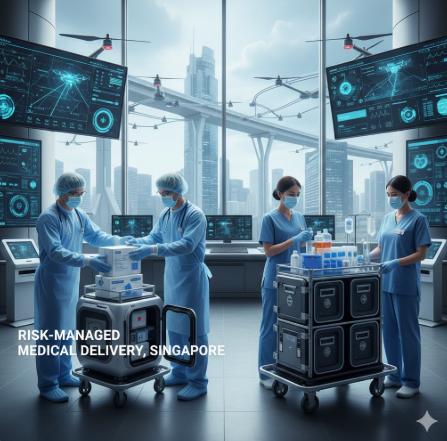
Technology helps detect and prevent medical errors quickly. Electronic health records improve accuracy and access to patient data. Automated alerts warn staff about allergies or drug interactions. Advanced monitoring systems track patient vitals in real time.
Robotics and AI support precision in surgeries and diagnostics. Technology also aids in staff training through simulations. Data analytics identify risk patterns and guide improvements. Singapore hospitals invest in technology to boost safety and care quality.
Singapore’s Healthcare Landscape
Singapore’s healthcare landscape is known for its efficiency and high standards. The country invests heavily in medical services and infrastructure. Hospitals in Singapore focus on delivering safe and effective care. Risk management plays a key role in ensuring patient safety. The system combines strong regulations with advanced technology. This creates a trusted environment for medical treatment.
Overview Of Hospital Systems
Singapore has a mix of public and private hospitals. Public hospitals serve most of the population and are government-funded. They offer a wide range of specialized services. Private hospitals provide faster access and personalized care. Both types follow strict protocols for medical delivery. Hospitals work closely with clinics and community care centers. This network supports smooth patient referrals and follow-ups.
Regulatory Frameworks And Standards
The Ministry of Health oversees hospital regulations. It sets clear rules for risk management and safety. Hospitals must comply with national healthcare standards. Regular audits check adherence to these standards. Licenses depend on meeting safety and quality requirements. Medical staff undergo continuous training to maintain skills. The framework ensures hospitals reduce errors and risks.
Patient Safety Initiatives
Hospitals in Singapore run many safety programs. These include infection control and medication checks. Technology helps monitor patient conditions and alerts staff. Teams conduct regular safety drills and reviews. Patients receive clear information about their treatments. Feedback systems allow patients to report concerns easily. These efforts lower risks and improve care quality.
Top Singapore Hospitals Focused On Safety
Singapore hospitals lead in safe medical care. They use strong systems to reduce risks and protect patients. Safety is the top priority in every treatment and procedure. Hospitals here work hard to keep errors low and improve patient outcomes.
These hospitals adopt clear safety rules and train staff well. They use technology to monitor care quality and catch problems early. Patient safety is part of the hospital culture and daily routines.
Hospital A’s Risk Management Strategies
Hospital A uses detailed checks to prevent mistakes. They track potential risks in real time. Staff members report safety concerns without fear. This open communication helps fix problems fast. Hospital A also holds regular safety drills to prepare for emergencies.
Hospital B’s Quality Assurance Programs
Hospital B follows strict quality control steps. They review patient care processes often to find gaps. The hospital uses patient feedback to improve services. Staff receive ongoing training on safety standards. These programs ensure high care quality at all times.
Innovations In Patient Care At Hospital C
Hospital C applies new tools to enhance patient safety. They use smart systems to reduce medication errors. The hospital employs digital records for accurate information sharing. Patient monitoring devices alert staff to changes quickly. These innovations lead to safer and faster care.
Staff Training And Competency
Staff training and competency form the backbone of safe medical delivery in Singapore hospitals. Skilled and knowledgeable staff reduce risks and improve patient outcomes. Hospitals invest heavily in continuous learning and practical training. This commitment ensures healthcare workers stay updated with the latest medical practices and protocols.
Continuous Education Programs
Hospitals offer ongoing education to keep staff skills sharp. Courses cover new treatments, safety standards, and patient care techniques. Regular workshops and seminars help medical teams stay current. This ongoing learning helps prevent errors and enhances overall care quality.
Simulation And Emergency Preparedness
Simulation training plays a key role in preparing staff for emergencies. Realistic scenarios allow teams to practice responses safely. This hands-on approach builds confidence and quick decision-making skills. Frequent drills ensure readiness for any critical situation.
Interdisciplinary Team Collaboration
Collaboration among doctors, nurses, and specialists improves care coordination. Teams communicate clearly to avoid mistakes and delays. Joint training sessions foster mutual understanding and respect. Strong teamwork supports better patient safety and treatment success.
Patient Engagement And Communication
Patient engagement and communication play a vital role in risk-managed medical delivery. Hospitals in Singapore focus on clear, open communication to keep patients informed. This approach helps reduce risks and improves care quality. Patients who understand their treatment feel more comfortable and involved in decisions about their health.
Effective communication builds a strong connection between patients and healthcare providers. It encourages patients to share their concerns and ask questions. This two-way dialogue supports safer medical care and better outcomes.
Informed Consent Practices
Informed consent means patients know all about their treatment options. Hospitals explain procedures, risks, and benefits in simple words. Patients get time to think and ask questions. This practice ensures patients agree to care with full understanding. It respects patients’ rights and supports safer treatment choices.
Feedback And Reporting Systems
Hospitals use feedback systems to learn from patients’ experiences. Patients can report issues or suggest improvements easily. This feedback helps staff spot risks early and fix problems fast. Transparent reporting creates a safer environment for everyone. It shows hospitals care about patient safety and quality.
Building Trust Through Transparency
Transparency means sharing information honestly with patients. Hospitals openly discuss treatment plans, outcomes, and possible complications. This honesty builds trust between patients and healthcare teams. Trust encourages patients to follow advice and report concerns. It leads to better cooperation and safer care delivery.
Technology Enhancing Safety
Technology plays a key role in making medical care safer in Singapore hospitals. It helps doctors and nurses reduce risks and avoid mistakes. Modern tools improve patient safety by giving quick access to important data and by monitoring health conditions continuously.
Electronic Health Records And Data Security
Electronic Health Records (EHR) store patients’ medical information in one place. Doctors can see all health details quickly. This helps them make better decisions and avoid errors.
Hospitals use strong security systems to protect patient data. Encryption and access controls keep records safe from hackers. Data security ensures trust between patients and healthcare providers.
Ai And Predictive Analytics In Risk Management
Artificial Intelligence (AI) analyzes large health data to find risks early. It helps predict patient problems before they get worse. Doctors use AI to plan better treatments.
Predictive analytics spots patterns in health records. It warns medical teams about possible complications. This leads to faster action and fewer emergencies.
Telemedicine And Remote Monitoring
Telemedicine lets patients talk to doctors through video calls. It saves time and reduces hospital visits. Patients get care without leaving home.
Remote monitoring uses devices that check vital signs from afar. Nurses receive alerts if something is wrong. This helps in quick response and keeps patients safe.
Measuring And Improving Quality
Measuring and improving quality is vital for hospitals in Singapore to provide safe and effective medical care. It helps identify areas of strength and those needing improvement. Hospitals use clear methods to track performance and maintain high standards. This focus ensures patients receive the best treatment with minimal risks.
Key Performance Indicators
Hospitals use key performance indicators (KPIs) to measure quality. These include patient safety rates, treatment success, and waiting times. KPIs provide clear data to show how well hospitals perform. Staff use this information to make informed decisions and improve care.
Audits And Accreditation Processes
Regular audits check hospital practices and patient outcomes. External bodies also assess hospitals through accreditation. These processes verify that hospitals meet national and international standards. Accreditation boosts trust in hospital services and encourages continuous quality efforts.
Continuous Quality Improvement Cycles
Hospitals follow continuous quality improvement cycles to enhance care. They plan changes, implement them, and review results. This cycle repeats to build better systems and reduce risks. Teams work together to solve problems and raise care standards.
Challenges And Future Directions
Singapore hospitals face many challenges in providing risk-managed medical care. The health landscape changes rapidly. New diseases appear, and patient needs evolve. Hospitals must prepare for these shifts while keeping safety top priority.
Future directions focus on improving care quality and managing risks better. Hospitals work to adapt systems and embrace new tools. The goal is to offer safe, effective care for all patients.
Addressing Emerging Health Risks
New health threats appear often. Infectious diseases, like new viruses, spread fast. Hospitals must detect and respond quickly to avoid outbreaks. They invest in training and emergency plans. This helps protect patients and staff.
Chronic illnesses also increase. Hospitals develop programs to manage long-term conditions. Early diagnosis and monitoring reduce complications. Risk management includes keeping care consistent and safe.
Adapting To Population Changes
Singapore’s population ages rapidly. Older adults need more health services. Hospitals adjust care to meet these needs. They provide geriatric expertise and support systems.
Population growth adds pressure on resources. Hospitals expand capacity and improve efficiency. Risk management ensures quality does not drop under high demand.
Integrating New Technologies Safely
Hospitals use new technologies to improve care. Electronic records, AI, and telemedicine help doctors and patients. Safe use of technology is vital. Hospitals create strict guidelines and staff training.
Technology reduces human errors but brings new risks. Cybersecurity and data privacy need strong protection. Hospitals balance innovation with patient safety at all times.
Frequently Asked Questions
What Hospitals In Singapore Offer Risk-managed Medical Delivery?
Singapore General Hospital and Tan Tock Seng Hospital are leaders in risk-managed medical delivery. They use advanced protocols to ensure patient safety and minimize complications during medical procedures.
How Do Singapore Hospitals Manage Medical Delivery Risks?
Hospitals implement strict safety guidelines, continuous staff training, and real-time monitoring. They focus on personalized care plans to reduce errors and improve patient outcomes effectively.
Why Is Risk Management Important In Medical Delivery?
Risk management minimizes complications, enhances patient safety, and ensures efficient use of resources. It builds trust and improves the overall quality of healthcare services provided.
Are Singapore Hospitals Equipped With Advanced Risk Management Technology?
Yes, Singapore hospitals use cutting-edge technology like AI monitoring systems and electronic health records. These tools help detect risks early and support safer medical delivery practices.
Conclusion
Singapore hospitals focus on safe and careful medical care. They use strong plans to reduce risks during treatment. Patients receive close monitoring to catch problems early. Staff work together to ensure smooth care delivery. This approach helps protect patients and improve health outcomes.
Choosing hospitals with risk-managed services brings peace of mind. Trust in their expertise and commitment to safety. Quality care and patient safety remain top priorities here.